







An Oil for All Seasons (Engine Oil Selection)
February 9, 2020
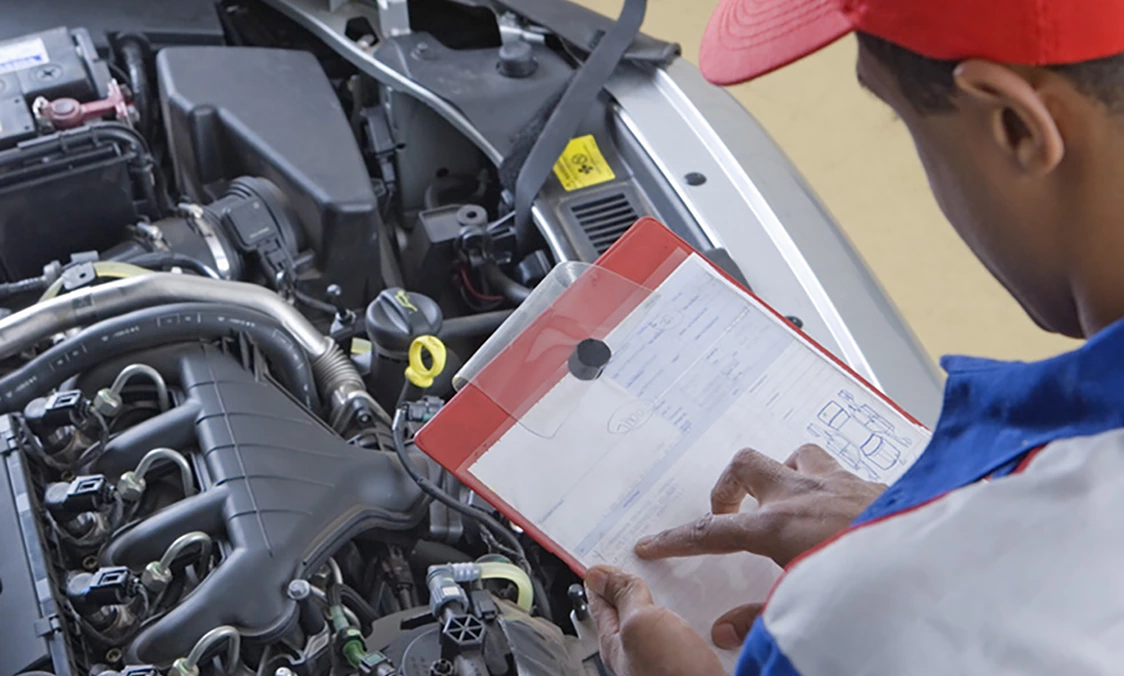
You swap your winter boots for flip-flops in the summer. Why not change your winter engine oil for summer, hot-weather oil? While it may seem like it makes sense, there's some good news. Most drivers don't have to, and here's why.
Engine oil can be made in different thicknesses. That thickness is called viscosity, how easily it flows. Now, it makes sense that the hotter it gets, oil gets a little thinner and doesn't lubricate as well. So if you used a thicker oil in the summer, it's logical that it would protect better in the hotter weather.
While there was a time when oils could be only made in one viscosity, times have changed. Using an ingenious formula, oil can now be created that changes its viscosity (called "multi-viscosity") as the temperature rises and falls. It self-adjusts to match the conditions. Now that's what I call a great invention.
In most temperate climates, you don't have to swap out the type of oil you use in your vehicle each season. There are exceptions in extreme climates, but your service advisor can advise you on that. Your vehicle's owner's manual recommends the proper viscosity oil to use.
Remember that even though you may not have to switch to a different type of oil, you DO have to CHANGE the oil at certain intervals. That's because oil eventually breaks down and picks up contaminants, and if you have old, dirty oil in your engine, it can cause damaging friction and heat. Regular maintenance at your vehicle service facility will ensure that your vehicle is running like a well-oiled machine.
Commerce Auto Repair
9575 Commerce Rd.
Commerce, Michigan 48382
248.363.3749
Need Service?
More articles from Commerce Auto Repair
Catching Trouble Early
November 15, 2026
Your vehicle depends on wheel bearings. Sitting between the wheels hub and axle, they allow your wheels to spin smoothly, bear the vehicles weight and work in harmony to stay aligned with other parts. Wheel bearings can fail in several ways, and they may send the driver some pretty clear clues... More

Your Brakes Are Telling You Something: When Rotor Replacement Makes Sense
November 8, 2026
You may not realize it, but your vehicle is communicating with you all the time. For example, your brakes talk to you through sounds, vibrations and changes in how your vehicle feels when you stop. And one of your brakes components that eventually needs attention is the brake rotor. Brake rotors... More

Let’s Clear the Air
November 1, 2026
In an effort to keep the air we breathe clean, modern vehicles with internal combustion engines are designed to reduce the emissions by recirculating exhaust gas into the engine. It has a part that controls how much of that gas to put back into the engine, and thats known as the EGR valve. EGR s... More